
Enhancing Physical Education: The Crucial Role of Skill Development

Jeff Mushkin
Physical education is more than just a mandatory class on the curriculum; it's an integral component of a well-rounded education that contributes to holistic student development. While many associate PE with sports and games, the role of the PE teachers is fostering skill development, promoting physical fitness, and nurturing lifelong habits of health and wellness. We will share the significance of skill development in PE and explore effective methods to provide practice opportunities in classes.
Importance of Skill Development in PE
1. Foundation for Active Lifestyle
Skill development lays the groundwork for students to lead active lifestyles beyond the classroom. Proficiency in fundamental movement skills such as running, jumping, throwing, and catching empowers individuals to participate confidently in various physical activities, sports, and recreational games.
2. Physical Literacy
Just as literacy is crucial for intellectual development, physical literacy is vital for overall well-being. PE acts as a platform for students to become physically literate by mastering a range of motor skills, understanding principles of movement, and acquiring the knowledge and confidence to engage in diverse physical activities throughout their life.
3. Confidence and Self-Efficacy
Skill development in PE not only enhances physical competence but also boosts self-confidence and self-efficacy. As students progress in mastering skills and techniques, they experience a sense of accomplishment, which translates into improved self-esteem and a willingness to challenge themselves in various physical activities.
4. Injury Prevention
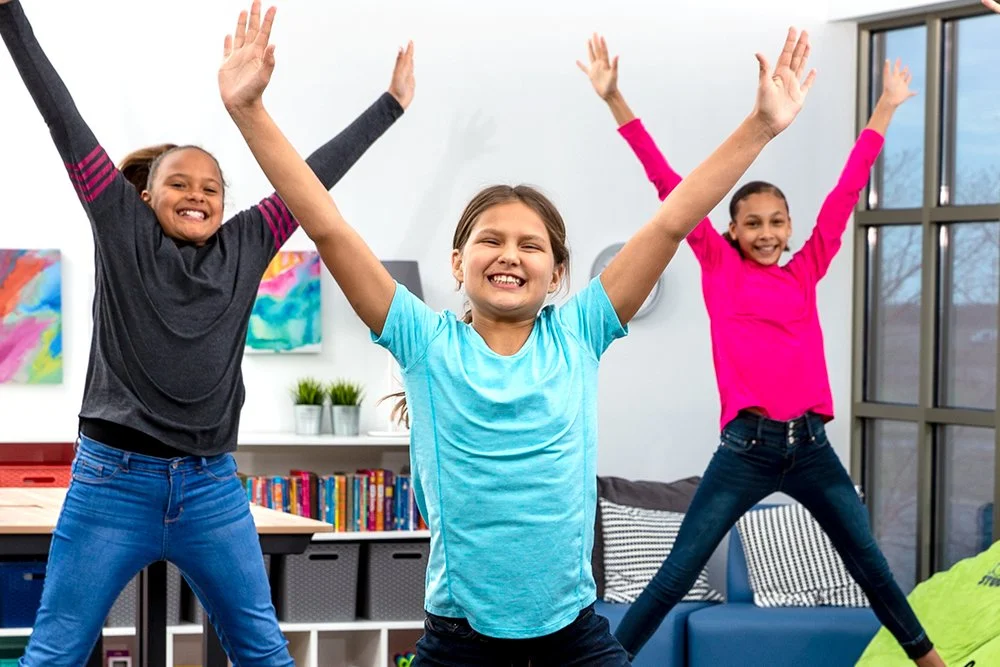
Proficient movement skills acquired through structured practice in PE can help prevent injuries during physical activities. Learning proper techniques for movements like lifting, bending, and landing reduces the risk of musculoskeletal injuries, promoting safer participation in sports and recreational pursuits.
Strategies for Providing Practice in PE Classes
1. Progressive Skill Sequencing
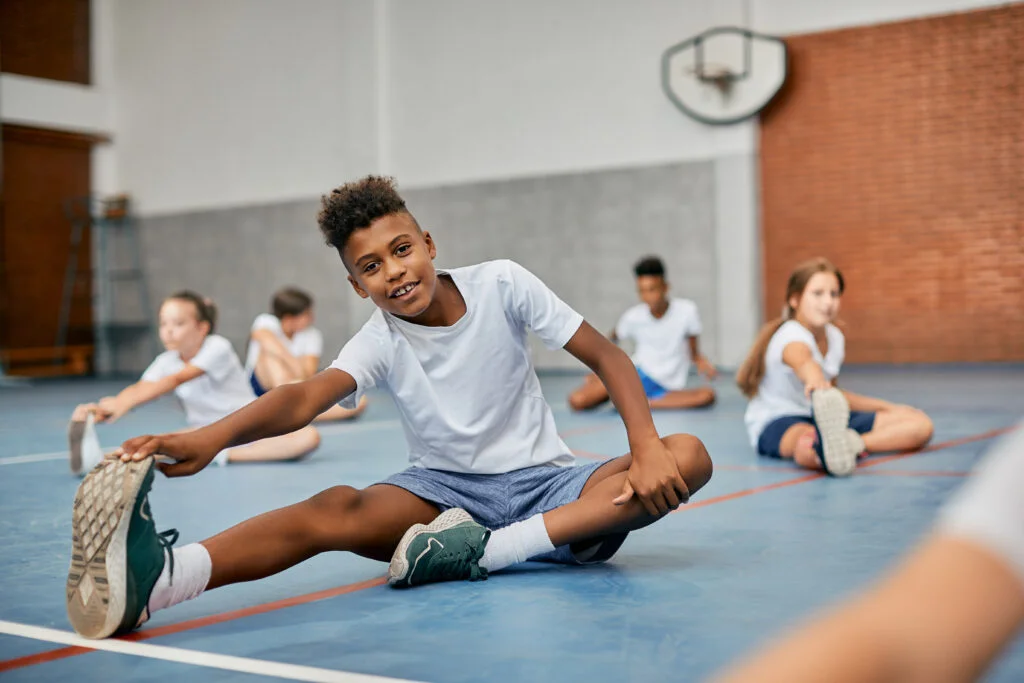
PE curriculum should be designed with a progressive sequence of skill development, starting from basic movements and gradually advancing to more complex skills. Teachers can break down skills into manageable steps, providing ample practice opportunities at each stage before progressing to the next level.
2. Skill Stations and Rotations
Organizing skill stations and rotations allows students to practice a variety of skills within a single class session. Stations can be set up for different activities such as dribbling, passing, shooting (in basketball), or serving, volleying, and receiving (in volleyball). Rotating through stations ensures students receive exposure to multiple skills and time to practice these skills.
3. Small-Sided Games
Incorporating small-sided games, such as mini soccer or modified basketball, provides an enjoyable way for students to apply and refine their skills in a game-like setting. These games offer opportunities for students to practice decision-making, teamwork, and game-specific skills while engaging in meaningful physical activity.
4. Peer Feedback and Coaching
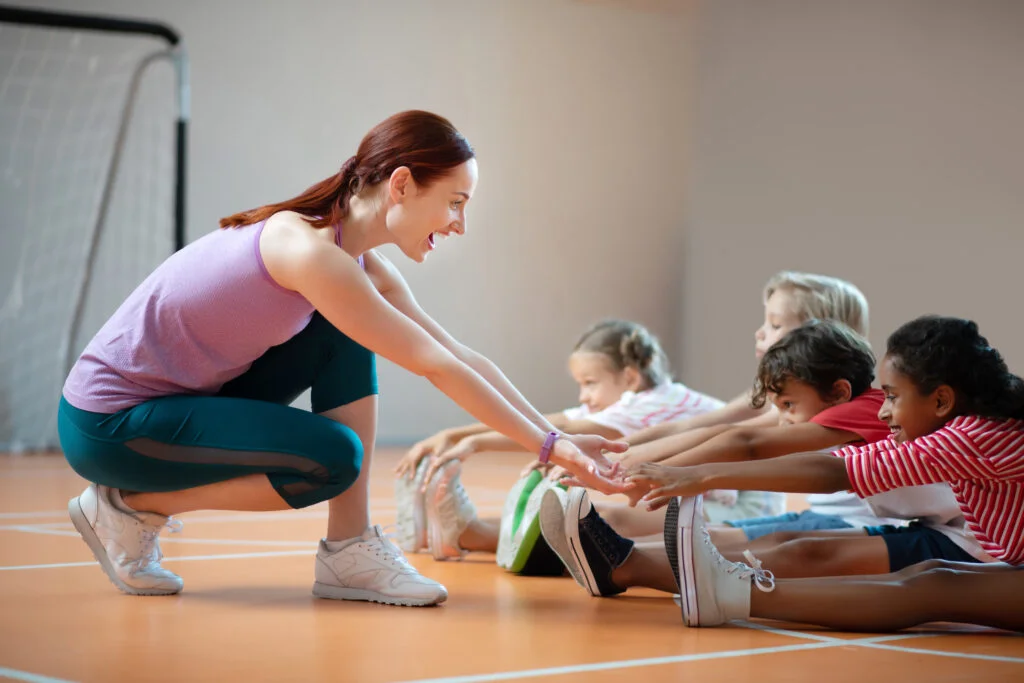
Peer feedback and coaching can be powerful tools for skill development in PE. Encouraging students to observe and provide constructive feedback to their peers provides a supportive learning environment and enhances students' understanding of the skill. Assigning peer coaching roles empowers students to take ownership of their learning and develop leadership skills.
5. Incorporating Technology
Using technology tools such as video analysis apps or wearable fitness trackers can also enhance skill development in PE. Recording students' performances and providing instant feedback through video analysis helps identify areas for improvement and facilitates self-assessment. Fitness trackers can monitor students' progress, help them set goals, and motivate them to improve their performance over time.
6. Personalized Learning
Recognizing that students have different learning styles and abilities, teachers can incorporate strategies for personalized learning. Offering differentiated instruction, providing additional practice opportunities for struggling students, and challenging advanced learners with higher-level skills ensures that all students are appropriately challenged and supported as they develop their skills in each unit.
In conclusion, skill development lies at the heart of physical education, serving as a cornerstone for promoting active lifestyles, fostering physical literacy, and building confidence among students. By implementing effective strategies such as progressive skill sequencing, skill stations, small-sided games, peer feedback, technology integration, and personalized learning approaches, teachers can create engaging learning experiences that empower students to develop and refine their skills, setting them on the path to a lifetime of health and wellness.
About the Author
Jeff Mushkin
Jeff was first exposed to SPARK in 2004 while working for Shasta County Public Health Department in California. He became a SPARK trainer in 2005 and oversaw the SPARK Community Grant Program for Shasta County until 2007 when he joined the SPARK team. Jeff has spent the past 12+ years in SPARK curriculum design, professional development, and equipment selection. Jeff has a Bachelor of Science degree in Physical Education, a master's degree in Public Health, and over 20 years of experience in physical education, health, and nutrition.